
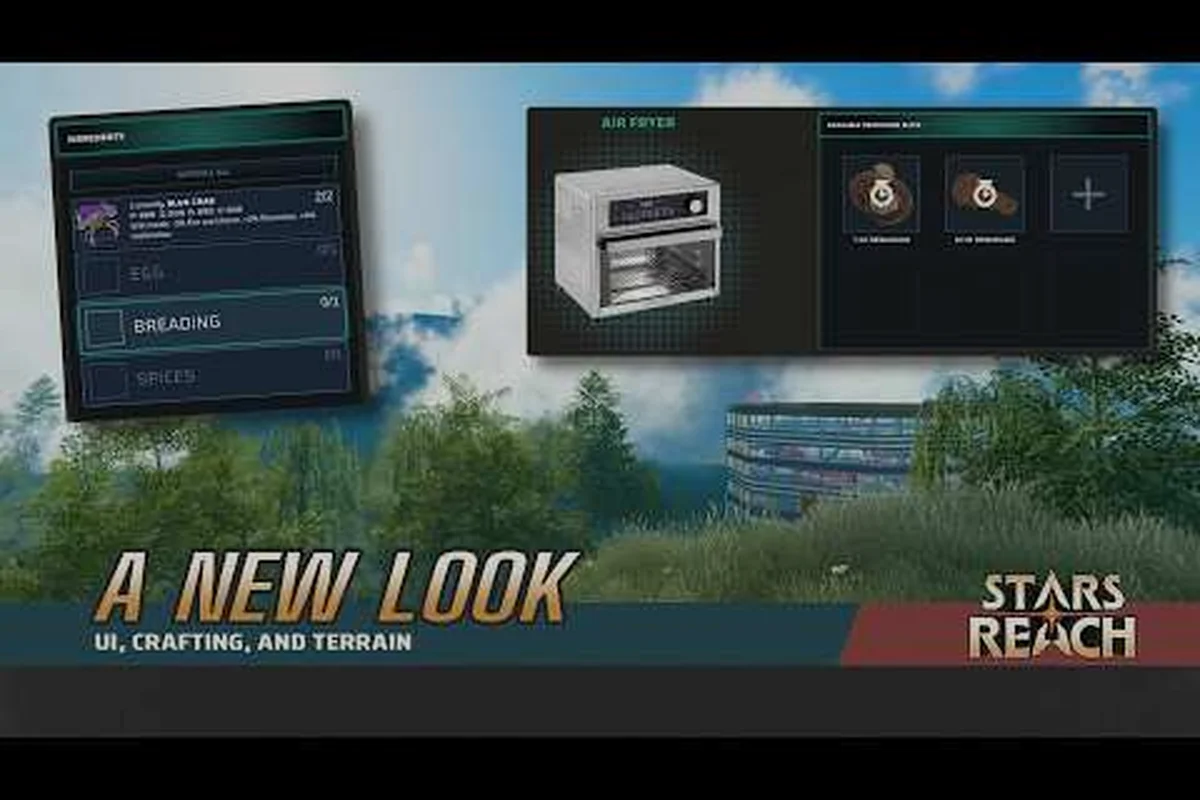
The Stars Reach terraforming guide is your key to unlocking the most powerful creative tool in the game: the ability to permanently reshape the living galaxy around you. Unlike traditional MMOs where the world is a static backdrop, Stars Reach treats terrain as a dynamic resource that players can carve, excavate, and rebuild — and the land never heals or snaps back to its prior state. That permanence means every tunnel you dig, every mountain you carve, and every hole you create becomes a lasting part of the shared universe, which is why understanding how to terraform effectively matters from your very first session.
Whether you want to dig tunnels through a mountain for a hidden base, carve mountains into defensible fortifications, or simply dig a hole to test the limits of the physics engine, this guide covers the core techniques, the tools involved, and the strategic thinking that separates casual landscapers from master terraformers. The official Stars Reach website describes a world where "players reshape the landscape, dig holes in asteroids, and even drive creatures extinct," which gives you a sense of how much agency the terrain system actually grants.
The Core Principles of Stars Reach Terrain Editing
Before you start reshaping planets, you need to understand the fundamental rules that govern terrain editing in Stars Reach. The most important concept is permanent deformation — when you remove or add terrain, that change persists indefinitely unless another player actively reverses it. This creates both opportunity and responsibility, because your modifications become part of the shared world that everyone else experiences.
The second core principle is tool-based progression. You don't unlock magical terraforming powers; instead, you use physical tools that improve as you invest skill points and craft better equipment. A basic shovel can move small amounts of dirt, while an advanced excavation rig can chew through solid rock in seconds. According to the official Steam page, the pitch is a reactive world where your actions ripple through the terrain, which means your tools interact with a living system rather than a static grid.
The third principle is planetary diversity. Different planets have different terrain compositions, and that affects how your tools perform. A desert world with loose sand behaves differently from an asteroid with dense metallic ore, and understanding these differences is essential for efficient terraforming. The table below breaks down the primary terrain types you'll encounter:
| Terrain Type | Common Locations | Tool Efficiency | Collapse Risk | Best Use Case |
|---|---|---|---|---|
| Loose Soil | Temperate planets, riverbanks | High | Low | Farming terraces, foundations |
| Sand | Desert planets, coastlines | Very High | Medium | Quick excavation, decorative dunes |
| Rock | Mountain ranges, highlands | Medium | Low | Tunnels, bunkers, stable structures |
| Dense Ore | Asteroid belts, mineral-rich worlds | Low | Very Low | Mining operations, reinforced bases |
| Ice | Frozen planets, polar regions | High | High | Temporary shelters, resource extraction |
How To Terraform: The Basic Workflow
The actual process of terraforming follows a consistent workflow regardless of what you're trying to build. First, you need to survey the area to understand the terrain composition and identify any hazards like unstable overhangs or underground water pockets. Second, you select the appropriate tool for the job — a broad shovel for clearing large areas, a precision pick for detailed work, or an explosive charge for rapid removal. Third, you execute the deformation with careful attention to your stamina and tool durability, because both deplete as you work.
Fourth, you stabilize the result if you're creating something permanent. This might involve placing support beams in a tunnel, reinforcing walls with crafted materials, or simply compacting loose soil to prevent erosion. Finally, you verify the integrity of your work by walking through the space and checking for structural weaknesses. Community reports suggest that players who skip the stabilization step often return to find their carefully dug tunnels collapsed or their foundations shifted, especially on planets with active weather systems.
The learning curve here is gentle but meaningful. A new player can dig a hole within minutes of spawning, but carving a mountain into a functional fortress requires understanding how different terrain types respond to different tools. The terrain tools guide covers the full toolset in detail, including the Terrain Compactor for flattening large areas and the Precision Excavator for detailed work.
Reshape Planets: Strategic Terraforming for Settlements
Once you've mastered the basics of terrain editing, the next step is applying those skills to large-scale projects. Reshaping planets isn't just about aesthetics — it's about creating functional spaces that serve your settlement, your faction, or your personal goals. The most common strategic applications include defensive fortifications, resource extraction sites, and transportation infrastructure.
Defensive fortifications are perhaps the most valuable use of terraforming in the game. By carving mountains into natural walls, digging moats around your base, or creating elevated platforms that give you a tactical advantage, you can dramatically improve your settlement's survivability. The terrain itself becomes your first line of defense, and because the land doesn't heal, your fortifications remain effective indefinitely. Players who invest in this approach report significantly fewer successful raids on their settlements.
Resource extraction is another critical application. When you discover a rich ore vein or a rare gas pocket, terraforming allows you to access it efficiently while minimizing environmental damage. A well-planned excavation can expose multiple resource nodes simultaneously, reducing the time you spend moving between collection points. The table below compares different terraforming approaches for resource extraction:
| Approach | Time Investment | Resource Yield | Environmental Impact | Risk Level |
|---|---|---|---|---|
| Surface Mining | Low | Moderate | High | Low |
| Tunnel Excavation | Medium | High | Low | Medium |
| Open Pit Mining | High | Very High | Very High | Medium |
| Precision Drilling | Medium | High | Minimal | Low |
| Explosive Removal | Low | Variable | High | High |
Dig Tunnels: Underground Infrastructure and Hidden Bases
Digging tunnels is one of the most popular terraforming activities in Stars Reach, and for good reason. Underground spaces offer natural protection from surface threats, maintain more stable temperatures, and allow you to build hidden bases that are difficult for other players to discover. The key to successful tunnel digging is understanding the structural integrity mechanics that govern underground spaces.
When you dig a tunnel, you create a void in the terrain that must support the weight of everything above it. If you dig too wide without proper support, the ceiling will collapse, potentially burying you and destroying anything you've placed inside. The game's physics engine simulates this realistically, which means you need to plan your tunnel layout carefully. The ceiling support system allows you to place crafted beams and pillars that reinforce your tunnels, but these consume inventory space and require materials to craft.
The depth of your tunnel also matters. Shallow tunnels near the surface are easier to dig but offer less protection, while deep tunnels require more effort but provide better security. Community data suggests that tunnels dug at least 10 meters below the surface are effectively immune to surface-based attacks, while tunnels deeper than 30 meters begin to encounter harder rock that slows excavation significantly. Finding the sweet spot for your specific needs is part of the strategic depth that makes tunnel digging so engaging.
Carve Mountains: Large-Scale Terrain Modification
Carving mountains is the most visually dramatic form of terraforming in Stars Reach, and it's also the most demanding. Mountains contain some of the hardest terrain in the game, which means you'll need high-quality tools and significant time investment to reshape them effectively. The reward, however, is substantial: a well-carved mountain can serve as a fortress, a mining operation, or a landmark that defines your presence in the galaxy.
The first step in any mountain carving project is assessment. You need to survey the mountain's composition, identify the most efficient approach angle, and plan your excavation sequence. A common mistake among new players is attacking the mountain from multiple directions simultaneously, which creates instability and increases the risk of unintended collapses. Instead, experienced terraformers recommend working from the top down, removing material in controlled layers that maintain structural integrity throughout the process.
The second step is tool selection. Standard picks and shovels are insufficient for serious mountain work; you'll want to invest in the Heavy Excavator or similar high-end tools that can process rock efficiently. These tools consume more stamina and require more skill points to unlock, but they reduce your total time investment by a factor of three or more. The table below compares the primary tools used for mountain carving:
| Tool | Unlock Requirement | Rock Processing Speed | Stamina Cost | Durability |
|---|---|---|---|---|
| Basic Pick | Starting Tool | 1x | Low | 100 uses |
| Reinforced Pick | 5 Skill Points | 1.5x | Medium | 250 uses |
| Heavy Excavator | 15 Skill Points | 3x | High | 500 uses |
| Plasma Cutter | 30 Skill Points | 5x | Very High | 400 uses |
| Explosive Charges | Crafting Recipe | 10x (instant) | None | Single use |
Dig a Hole: Understanding Excavation Depth and Limits
Digging a hole sounds simple, but the mechanics behind it reveal the depth of Stars Reach's terrain system. Every hole you dig has a maximum depth determined by the planet's crust thickness, and reaching that limit triggers a warning that further excavation is impossible with your current tools. The maximum depth varies by planet type — asteroid worlds typically have thinner crusts, while massive terrestrial planets can support much deeper excavations.
The excavation physics also affect how your hole behaves over time. Loose soil at the edges will gradually erode, especially during weather events, while solid rock maintains its shape indefinitely. If you're digging a hole for a specific purpose — a foundation, a resource pit, or a defensive trench — you need to account for this erosion by either reinforcing the edges or digging slightly wider than your final target dimensions.
One of the most interesting community discoveries involves digging holes on asteroids. Because asteroids have minimal gravity, the terrain behaves differently than on planetary surfaces, and players have reported that deep holes on asteroids can expose internal chambers containing rare resources or ancient artifacts. This makes asteroid excavation a high-risk, high-reward activity that attracts both miners and explorers. For more on finding these valuable locations, check the exploration guide for tips on identifying promising asteroid targets.
Advanced Terraforming Strategies and Environmental Interaction
Once you've mastered the fundamentals of terrain editing, you can begin exploring the more advanced interactions between terraforming and the living world. Stars Reach features a dynamic environment where your modifications can have unexpected consequences, and understanding these interactions is what separates skilled terraformers from destructive ones.
The most significant advanced concept is water management. When you dig below the water table, you'll trigger flooding that can fill your excavation and potentially spread across the surrounding area. This can be useful for creating artificial lakes or moats, but it can also destroy existing structures and disrupt local ecosystems. The water phase change guide covers techniques for freezing and evaporating water, which gives you additional control over these situations.
Another advanced strategy involves ecosystem manipulation. Because the game simulates biological systems, your terraforming activities can affect local flora and fauna. Clearing a forest might cause herbivore populations to migrate, which in turn affects predator behavior and resource availability. Some players deliberately reshape terrain to create ideal conditions for specific resources, while others use terraforming to drive dangerous creatures away from their settlements. The official website notes that players can "drive creatures extinct," which is a sobering reminder of the power you wield.
Terrain Editing for PvP and Faction Warfare
In PvP scenarios, terrain editing becomes a tactical weapon. A well-placed trench can funnel enemy forces into a kill zone, while a raised berm can provide cover for your ranged attackers. The permanence of terrain changes means that battlefields evolve over time, with each engagement potentially altering the landscape for future conflicts.
Faction warfare adds another layer of complexity. Coordinated terraforming efforts can create defensive networks that span entire regions, with tunnels connecting fortified positions and carved mountains serving as natural barriers. However, these large-scale projects require significant coordination and resource investment, which means they're typically reserved for established factions with stable economies.
The destructive potential of terraforming in PvP cannot be overstated. A small team with explosive charges can undermine an enemy fortress by digging beneath its foundations and triggering a collapse. Countering this requires active monitoring of the terrain around your base and maintaining your own defensive excavations to create early warning zones. This cat-and-mouse dynamic adds a strategic depth that pure combat mechanics can't replicate.
Maximizing Output With the Right Terrain Tool
Efficiency in terraforming comes down to three factors: tool selection, technique, and planning. The right tool for the job can reduce your time investment by an order of magnitude, while proper technique prevents wasted effort and unexpected collapses. Planning ensures that you don't have to redo work because you missed a critical detail.
For tool selection, always match your tool to the terrain type. Using a basic pick on dense ore is a recipe for frustration, while using a Heavy Excavator on loose soil is overkill that wastes durability. Keep a variety of tools in your inventory and switch between them as the terrain composition changes. The tool durability system means that every use degrades your equipment, so you want to minimize unnecessary wear.
For technique, focus on controlled excavation. Remove material in thin layers rather than trying to dig deep quickly, especially in areas with mixed terrain types. This gives you more control over the final shape and reduces the risk of destabilizing the surrounding area. When digging tunnels, maintain a consistent width and height rather than creating irregular spaces that are harder to reinforce.
For planning, always survey before you dig. Walk the area, check for water sources, identify unstable terrain, and mark your intended excavation boundaries. A few minutes of planning can save hours of rework, and it's especially important for large-scale projects where mistakes compound quickly. If you're new to the game, the beginner guide offers a solid foundation for understanding the core systems before you dive into serious terraforming work.
Frequently Asked Questions
What is the best tool for a stars reach terraforming guide beginner?
The Reinforced Pick is the best starting tool for terraforming because it offers a good balance of processing speed and durability without requiring excessive skill point investment. You can unlock it with just 5 skill points, and it handles most terrain types effectively. Upgrade to the Heavy Excavator once you've accumulated more experience.
Can you terraform anywhere in Stars Reach?
No, terraforming is restricted by planetary rules and permission systems. Some planets have protected zones where terrain editing is disabled, while others require you to have a claim or settlement before you can modify the land. The permissions guide covers these restrictions in detail, including how to request access to restricted areas.
How deep can you dig a hole in Stars Reach?
The maximum depth varies by planet type, with asteroid worlds typically allowing shallower excavations than large terrestrial planets. You'll receive a warning when you approach the depth limit, and further digging requires specialized tools. Community testing suggests that most planets support holes between 20 and 50 meters deep, though some extreme worlds may differ.
Does terraforming affect the environment permanently?
Yes, all terrain changes in Stars Reach are permanent unless another player actively reverses them. The land doesn't heal or regenerate, which means your modifications become lasting parts of the shared world. This permanence is a core feature of the game, as confirmed by the official website's description of a world where players reshape the landscape.
What happens if a tunnel collapses on you?
If a tunnel collapses, you'll take debris damage and may be trapped, but you can dig out with tools and stamina. The collapse can destroy storage inside, so reinforce ceilings with supports. The land won't heal itself, so always carry emergency excavation tools when carving mountains.