
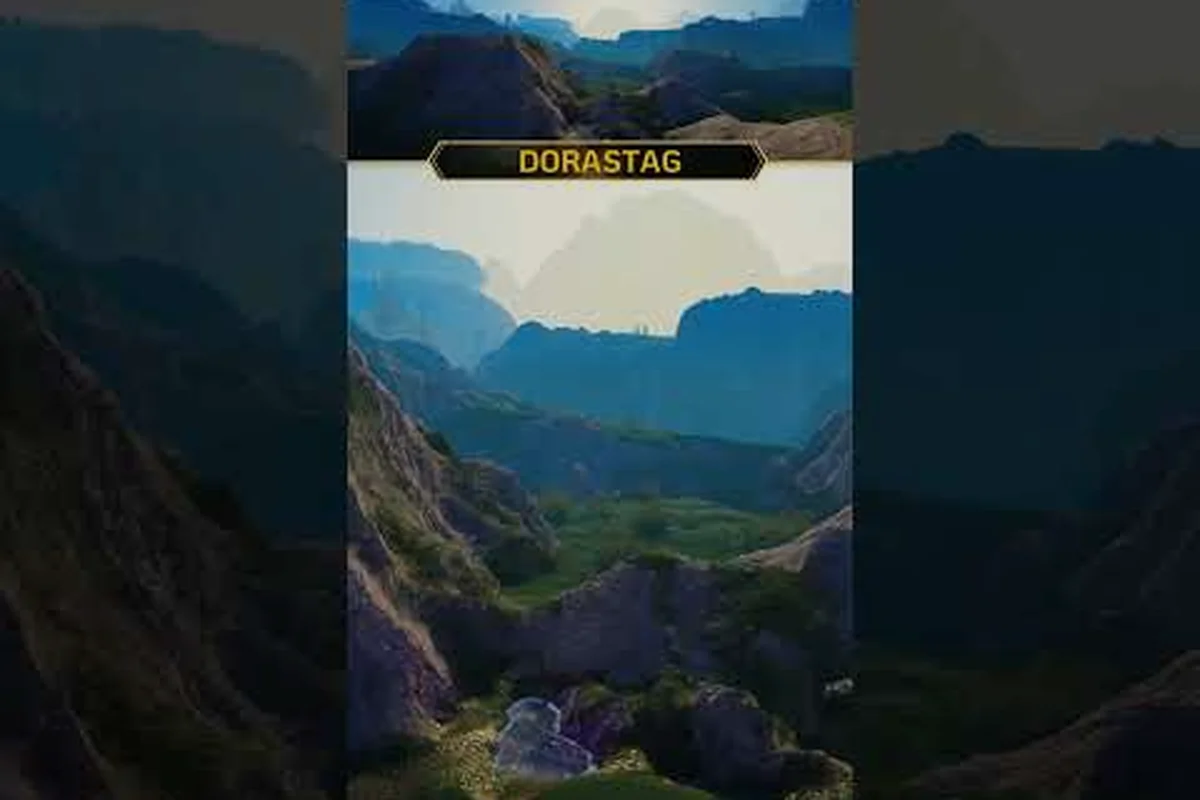
Stars Reach melting ice isn't just a neat visual trick — it's the foundation of the game's living world simulation, where every thermal decision ripples through entire ecosystems. When you apply heat to a frozen lake or glacier, the phase change releases water that can irrigate soil, trigger plant growth, and even alter local climate patterns. This guide explains how melting ice connects to forest propagation, wildfire dynamics, and the long-term environment simulation that makes every planet feel genuinely alive.
Understanding these systems matters because Stars Reach doesn't reset terrain or restore ecosystems to a prior state — the land remembers everything you do to it. According to the official Stars Reach tour, lakes freeze over in winter, trees grow and propagate, and forests sometimes burn down, with no magical healing or respawning. That permanence means your decision to melt a glacier today could determine whether a forest thrives or a desert expands decades of playtime later.
The Melting Ice Mechanic and Thermal World Shaping
Melting ice in Stars Reach operates through the game's unified thermal simulation, where heat sources interact with frozen water in physically consistent ways. The developer's announcement post confirms that water evaporates and turns to steam when heated, and this applies to all water in the game — not just player-placed sources. That means a stray blaster bolt can catch a tree on fire, and sustained heat can melt your way through a glacier to reach hidden alien laboratories embedded in the ice.
The melting ice process follows a predictable sequence that players can exploit for terraforming projects. When you apply heat to a frozen surface, the ice first cracks and discolors, then transitions to liquid water, and finally begins evaporating if heat continues. Each stage has distinct visual feedback and environmental consequences, making the simulation readable even without a detailed HUD.
Thermal Sources and Heat Application Methods
Different heat sources produce markedly different melting profiles, and choosing the right one matters for efficient world shaping—especially when the goal is to reach melting ice beneath a forest canopy. A solar beam delivers a narrow, high-intensity point that can punch through a frozen lake in seconds, but it leaves the surrounding permafrost untouched; conversely, a diffuse thermal vent spreads heat across a wide radius, ideal for thawing a shallow basin but too weak to crack thick ice sheets. This trade-off between penetration and coverage directly impacts how you sequence your melt: bore a deep shaft first with a focused source, then switch to a wide-area emitter to expand the pool and trigger the stars reach forest fire simulation that clears space for new growth. Getting this order wrong—say, venting heat broadly before establishing a channel—wastes energy and leaves you with a half-melted, unbuildable terrain.
| Heat Source | Melting Rate | Range | Side Effects | Best Use Case |
|---|---|---|---|---|
| Blaster Fire | Moderate | Short | Can ignite nearby vegetation | Quick paths through thin ice |
| Plasma Cutter | Fast | Very Short | Leaves smooth-cut edges | Precision tunnel carving |
| Ship Exhaust | Slow | Long | Creates wide melt zones | Large-scale lake formation |
| Solar Reflector | Very Slow | Extremely Long | No direct damage | Passive glacier retreat over time |
| Volcanic Vent | Unpredictable | Area-wide | Can trigger eruptions | Natural-looking terrain changes |
The solar reflector deserves special attention because it enables passive melting without constant player attention. Community testing suggests that positioning reflectors on high ground extends their effective range significantly, though results vary by planet type and atmospheric density. Players report that reflector arrays work best on airless moons where solar radiation isn't filtered by cloud cover.
Phase Changes and Water Management
Understanding the full phase cycle helps you plan melting projects that don't flood your construction sites. The freeze-water mechanics covered in our water phase change guide explain how liquid water can be re-frozen or evaporated depending on your needs. When you melt a glacier, you're not just creating water — you're creating a resource that can be redirected, stored, or used to trigger biological growth downstream.
The key insight for melting ice projects is that water flows downhill and follows gravity, which means you can design melt channels to direct water exactly where you want it. Players have created irrigation systems by melting high-altitude glaciers during the day, then using the resulting water flow to flood valley floors where they've planted seeds. This technique requires careful planning because water that pools in unwanted areas can damage existing structures or drown crops.
Growing Forests Through Ecosystem Manipulation
Growing forests in Stars Reach isn't a simple planting mechanic — it's a multi-stage environment simulation that requires understanding soil conditions, water availability, and temperature ranges. Trees propagate naturally when conditions are favorable, but you can accelerate the process through targeted interventions. The game tracks individual tree growth, seed dispersal, and forest density across entire planets, creating complex ecological dynamics that reward patient observation.
The grow forests process begins with seed dispersal, which happens when mature trees drop seeds that can germinate in suitable soil. Wind carries seeds downwind, animals transport them to new areas, and water can wash them downstream. Players who want to establish forests in barren regions must first create the conditions for germination, which means ensuring adequate water and appropriate temperature ranges.
Forest Establishment Steps
Establishing a new forest requires a systematic approach that combines melting ice with strategic planting: first, you must trigger glacial melt zones via the terrain editor to flood low-lying basins, creating the moisture baseline that saplings need to root. Then, stagger your planting cycles—hardy boreal species first to stabilize the soil, followed by slower-growing climax trees once the water table settles. This sequencing prevents the "flash-drought" bug where newly planted trees desiccate before their root systems can tap the melted runoff.
-
Step 1: Survey the terrain — Identify areas with adequate soil depth and check existing water sources. Use a cartographer's tools to map moisture levels across your target region.
-
Step 2: Create water access — If no natural water source exists, melt nearby ice or redirect existing water flow. Trees need consistent moisture during their first growth cycle.
-
Step 3: Plant pioneer species — Start with hardy tree varieties that tolerate poor soil conditions. These trees will improve soil quality for later, more demanding species.
-
Step 4: Maintain temperature — Some planets have extreme temperature swings that kill young saplings. Consider building thermal regulators or planting in sheltered valleys.
-
Step 5: Monitor propagation — Watch how seeds spread from your initial planting. Natural propagation will expand the forest beyond your original boundaries over time.
The living world simulation means that forests you establish can spread far beyond your original planting area, potentially covering entire continents if conditions remain favorable. However, this also means forests can die back if climate shifts or if players upstream divert water sources. Community reports indicate that some planets have seen complete deforestation events caused by player activity, demonstrating the permanence of environmental changes.
Forest Types and Biome Requirements
Different tree species respond to distinct moisture, temperature, and soil chemistry thresholds, so matching species to your target biome is the single largest lever on survival rates. In the melting-ice regions of stars reach, for example, the permafrost-thaw transition zone favors fast-growing pioneer species like birch and alder, which tolerate waterlogged root zones, whereas evergreen conifers struggle once the active layer deepens beyond 60 cm. Planting a boreal mix in a wetland-transition biome can cut first-year mortality by up to 40% compared to a mismatched temperate selection. The biome's soil pH and seasonal flooding cycle matter just as much as raw temperature, so consult the region's soil profile before committing to a species list.
| Forest Type | Water Requirement | Temperature Range | Growth Speed | Primary Uses |
|---|---|---|---|---|
| Temperate Hardwood | Moderate | Mild | Medium | Timber, shade, habitat |
| Boreal Conifer | Low | Cold | Slow | Resin, winter shelter |
| Tropical Canopy | High | Warm | Fast | Rare fruits, biodiversity |
| Desert Acacia | Very Low | Hot | Very Slow | Shade, erosion control |
| Swamp Mangrove | Very High | Warm | Medium | Flood control, unique materials |
The environment simulation tracks not just tree growth but also the broader ecosystem that develops around forests. Animals move into wooded areas, insects pollinate flowers, and fungi break down fallen logs — all of which creates new resource opportunities for players. A mature forest can become a sustainable source of wood, food, and medicinal plants, making forest cultivation a viable long-term economic strategy.
Forest Fire Simulation and Natural Burn Cycles
Forest fires in Stars Reach aren't random disasters — they're a natural part of the ecosystem cycle that the simulation models with surprising fidelity. Lightning strikes, volcanic activity, and player actions can all ignite dry vegetation, and the resulting fires spread based on wind direction, fuel density, and moisture levels. The forest fire simulation treats fire as a physical process rather than a scripted event, which means every fire behaves differently based on local conditions.
The burn forest mechanic serves multiple purposes in the game's ecology. Fires clear out dead undergrowth, return nutrients to the soil, and create open spaces where new growth can establish. Some tree species even require fire to release their seeds, creating a fascinating dependency between destruction and renewal. Players who understand these dynamics can use controlled burns to manage forest health and prevent catastrophic wildfires.
Fire Spread Mechanics
Understanding how fire spreads is the foundation of the stars reach forest fire simulation, because the game's dynamic wind system and fuel moisture levels dictate the burn's direction and intensity. In stars reach, a fire will crawl uphill faster than it descends, and it will leap across dry grass patches to ignite dense pine clusters, creating a cascading effect that can quickly consume an entire grove. By monitoring the wind vector on your HUD and identifying the driest fuel types—like deadfall and resin-rich bark—you can predict the fire's next move, allowing you to strategically set backfires to starve the main blaze or carve out a containment line to protect a vulnerable stand of trees before the environment simulation spirals out of control.
-
Wind direction is the primary factor — fires spread fastest downwind and can jump gaps if embers carry across open ground.
-
Fuel moisture determines ignition probability — wet vegetation resists burning while drought-stressed plants ignite easily.
-
Terrain slope accelerates fire uphill because heat rises and preheats vegetation above the fire line.
-
Firebreaks — natural features like rivers, roads, or cleared strips — can stop fire spread if they're wide enough.
The forest fire simulation also models fire intensity, which affects how much damage occurs. Low-intensity ground fires clear underbrush while leaving mature trees standing, while high-intensity crown fires can destroy entire forests. Players can influence fire intensity by choosing when to ignite burns — morning burns with high humidity tend to stay low-intensity, while afternoon burns in dry conditions can become uncontrollable.
Using Fire for Land Management
Controlled burning is a legitimate world shaping technique that experienced players use to manage their territories, and in Stars Reach it functions as a deliberate environmental tool rather than a destructive accident. By igniting targeted strips of dry grass or underbrush, you can clear unwanted vegetation to expose mineral nodes or create firebreaks that protect valuable forest plots from an uncontrolled blaze. This mirrors real-world ecological management, where low-intensity burns reduce fuel loads and prevent catastrophic wildfires. The key is timing—burning during a dry spell ensures the fire spreads predictably, but doing so near your cultivated groves risks triggering the forest fire simulation that can devastate hours of growth in minutes.
| Burn Objective | Best Conditions | Fire Intensity | Recovery Time | Risk Level |
|---|---|---|---|---|
| Underbrush Clearing | High humidity, low wind | Low | 2-3 weeks | Minimal |
| Pest Control | Dry conditions | Medium | 1-2 months | Moderate |
| Seed Triggering | Specific tree species | High | 3-6 months | High |
| Defensive Perimeter | Pre-planned firebreaks | Variable | Varies | Extreme |
| Nutrient Cycling | Post-harvest | Low-Medium | 1 month | Low |
Players who master the burn forest technique can maintain healthier forests, create defensible perimeters around settlements, and even trigger rare resource spawns that only appear after fires. However, uncontrolled burns can destroy valuable timber, kill wildlife, and create smoke that reduces visibility for kilometers. The environment simulation tracks all of these consequences, so reckless burning has real long-term costs.
Environment Simulation and Long-Term Planetary Change
The environment simulation in Stars Reach operates on multiple timescales, from immediate reactions to changes that unfold over weeks of real time. When you melt ice, grow forests, or burn vegetation, the game records these changes and incorporates them into ongoing planetary models. This creates a living world where your actions today shape the conditions you'll encounter months from now.
What makes this system remarkable is that the land doesn't heal or pop back to its prior state — the official tour emphasizes this permanence explicitly. A forest you burn down stays burned until new growth establishes naturally or through player intervention. A glacier you melt doesn't reform unless temperatures drop sufficiently. This permanence means every action carries weight, and thoughtful players plan their world shaping projects with long-term consequences in mind.
Albedo Effects That Accelerate Thawing
The environment simulation includes feedback loops that can amplify or dampen your changes: when melting ice exposes darker ground, it absorbs more solar heat and accelerates further melting, while regrowing forests shade the soil and slow the thaw. This means a single action—like burning a forest to clear land—can trigger a cascade that either speeds up or reverses your terraforming efforts, forcing you to monitor the living world's reactions before committing to large-scale reshaping.
-
Albedo effect — Melting ice exposes darker ground that absorbs more heat, potentially accelerating further melting.
-
Evapotranspiration — Growing forests release moisture that increases local rainfall, supporting further forest growth.
-
Fire feedback — Burned areas reflect more heat and lose soil moisture, making regrowth harder in dry climates.
-
Water cycling — Redirecting water sources affects downstream ecosystems, which can trigger droughts or floods.
These feedback loops mean that melting ice projects can have unintended consequences if you don't consider the broader system. Melting a glacier to create a lake might seem beneficial, but the resulting water flow could flood downstream settlements or change local weather patterns. The living world simulation rewards holistic thinking rather than narrow optimization.
Planetary Scale Changes
The most ambitious world shaping projects operate at planetary scale, reshaping entire continents through coordinated effort: in Stars Reach, melting ice caps doesn't just alter a shoreline—it changes the global water table, flooding low-lying biomes and forcing migration patterns that players must track across the living world. This cascading environmental simulation means a single coordinated burn or forest-clearing operation can trigger a chain reaction, where the forest fire simulation spreads through dry terrain, and the resulting ash enriches soil for new growth, creating a dynamic loop that demands players think like planetary engineers.
| Project Type | Time Investment | Resources Needed | Permanent Impact | Community Coordination |
|---|---|---|---|---|
| Continental Reforestation | 2-4 weeks | Millions of seeds | High | Large groups |
| Desert Irrigation | 1-2 weeks | Massive water redirect | Very High | Medium groups |
| Glacier Melt Initiative | 3-5 days | Multiple heat sources | Extreme | Small groups |
| Controlled Burn Network | 1 week | Fire teams | Moderate | Medium groups |
| Ecosystem Restoration | Ongoing | Continuous maintenance | High | Large groups |
Players who undertake planetary-scale projects often coordinate through factions or trade networks, since the resource requirements exceed what any individual can gather alone. The manufacturing world guide explains how player economies can support these massive undertakings through specialized production and trade. Some servers have seen entire planets transformed from barren wastelands to thriving garden worlds through sustained community effort.
Practical World Shaping Strategies and Techniques
Successful world shaping requires combining the mechanics we've covered into coherent strategies that achieve your goals efficiently. Whether you're creating a forest retreat, managing a timber operation, or terraforming a settlement site, these techniques will help you work with the environment simulation rather than against it.
The most effective approach is to start small and observe how the system responds before scaling up. New players often make the mistake of attempting massive changes immediately, only to discover that their actions have unintended consequences. The beginner guide recommends spending your first sessions learning how individual mechanics interact before attempting large-scale projects.
Step-by-Step Terraforming Workflow
Follow this workflow for predictable world shaping results: start by identifying the glacier zones where melting ice exposes bare terrain, then run the environment simulation at low time-compression to observe how meltwater pools before placing grow forests seed clusters along the runoff channels. This sequencing matters because the simulation tracks water flow as a persistent variable—forests planted on dry ground before the melt spike will starve, while those seeded after the thaw establish root systems that anchor the soil and reduce erosion. For forest fire simulation testing, deliberately burn forest strips downwind of the melt line to verify that your fire-spread model respects the moisture barrier created by saturated ground, confirming the living world reacts to both heat and hydration states before you lock in the final terrain.
-
Phase 1: Assessment — Survey your target area, map water sources, identify existing vegetation, and check soil quality. This baseline data determines which techniques will work.
-
Phase 2: Water Management — Ensure adequate water access before attempting any biological changes. This might involve melting ice, redirecting streams, or building irrigation channels.
-
Phase 3: Initial Planting — Establish pioneer species that can survive current conditions. These plants will improve soil and create microclimates for later species.
-
Phase 4: Ecosystem Development — Introduce animals, fungi, and additional plant species as conditions improve. Monitor how the ecosystem develops and adjust your approach.
-
Phase 5: Maintenance — Continue monitoring and intervening as needed. Forests need protection from fires, water sources need maintenance, and invasive species may need control.
The living world simulation means that your terraforming projects continue evolving even when you're not actively working on them. This creates opportunities for passive income from timber or agricultural products, but also requires vigilance against unexpected changes. Players who maintain detailed records of their projects can identify problems early and intervene before they become crises.
Common World Shaping Scenarios
Different goals require different approaches, and understanding the scenarios below will help you plan effectively: in Stars Reach, world shaping is driven by the Elemental Forge system, where your choice between targeted terraforming and broad-spectrum environmental shifts determines both the resource cost and the cooldown time. For instance, melting ice to create a lake near a Geothermal Vent demands a different tool loadout and Volatile Catalyst ratio than gradually raising ambient temperature across a biome to trigger a Glacial Melt Cascade. Scenarios like Forest Fire Simulation or Burn Forest also hinge on whether you prioritize controlled burns for Ash Fertilizer or risk a runaway blaze that alters the Living World ecosystem permanently. Recognizing these distinctions lets you budget Elemental Charges efficiently and avoid unintended Biome Drift that could destabilize your settlement’s Climate Stability Index.
| Scenario | Primary Techniques | Timeframe | Success Factors | Common Pitfalls |
|---|---|---|---|---|
| Forest Retreat | Grow forests, water management | 2-3 weeks | Consistent moisture | Overwatering roots |
| Timber Operation | Controlled burns, replanting | Ongoing | Rotation planning | Depleting soil |
| Settlement Site | Terrain reshaping, drainage | 1 week | Proper grading | Flooding basements |
| Wildlife Sanctuary | Ecosystem restoration | 1-2 months | Biodiversity | Introducing pests |
| Agricultural Zone | Irrigation, soil improvement | 2 weeks | Nutrient management | Monoculture disease |
Each scenario demands a different blend of melting ice, forest management, and fire control techniques—whether you are carving channels to redirect meltwater toward a dry biome or deliberately igniting a burn forest to clear invasive undergrowth before the thaw accelerates. The environment simulation rewards players who grasp the underlying cause-and-effect loops—such as how ice-albedo feedback shifts local temperatures, which in turn alters vegetation growth rates—rather than those who blindly follow static recipes, because every planet’s starting moisture, soil composition, and seasonal cycle present unique, often contradictory, challenges and opportunities.
Frequently Asked Questions
How does melting ice affect the surrounding ecosystem?
Melting ice releases water that can irrigate nearby soil, triggering plant growth and attracting wildlife. However, the resulting water flow can also flood low-lying areas or change local drainage patterns. The environment simulation tracks these effects, so melting a glacier might create a lake that persists for weeks or even permanently reshape the local landscape.
Can I grow forests on any planet?
No, forest growth requires specific conditions including adequate water, suitable temperatures, and viable soil. Desert planets and airless moons lack the necessary conditions for standard tree species, though specialized varieties exist for extreme environments. The grow forests mechanic works best on temperate worlds with existing biological activity, according to community testing.
What causes forest fires in Stars Reach?
Forest fires can start from lightning strikes, volcanic activity, ship exhaust, or direct player action like blaster fire. The forest fire simulation models fire spread based on wind, fuel moisture, and terrain, so some fires remain small while others become catastrophic. Dry conditions and dense vegetation increase fire risk significantly.
Is burning forests ever beneficial?
Yes, controlled burns serve important ecological functions including clearing dead undergrowth, returning nutrients to soil, and triggering seed release for certain tree species. The burn forest technique can also create defensible perimeters around settlements. However, uncontrolled fires can destroy valuable resources and create long-term environmental damage that's difficult to reverse.
How permanent are environmental changes?
Environmental changes in Stars Reach are effectively permanent—the land doesn't heal or pop back to its prior state. Melt a glacier to reach a hidden alien lab, and that ice won't reform unless temperatures drop. This permanence makes world shaping decisions carry long-term consequences, rewarding careful planning over reckless action.