
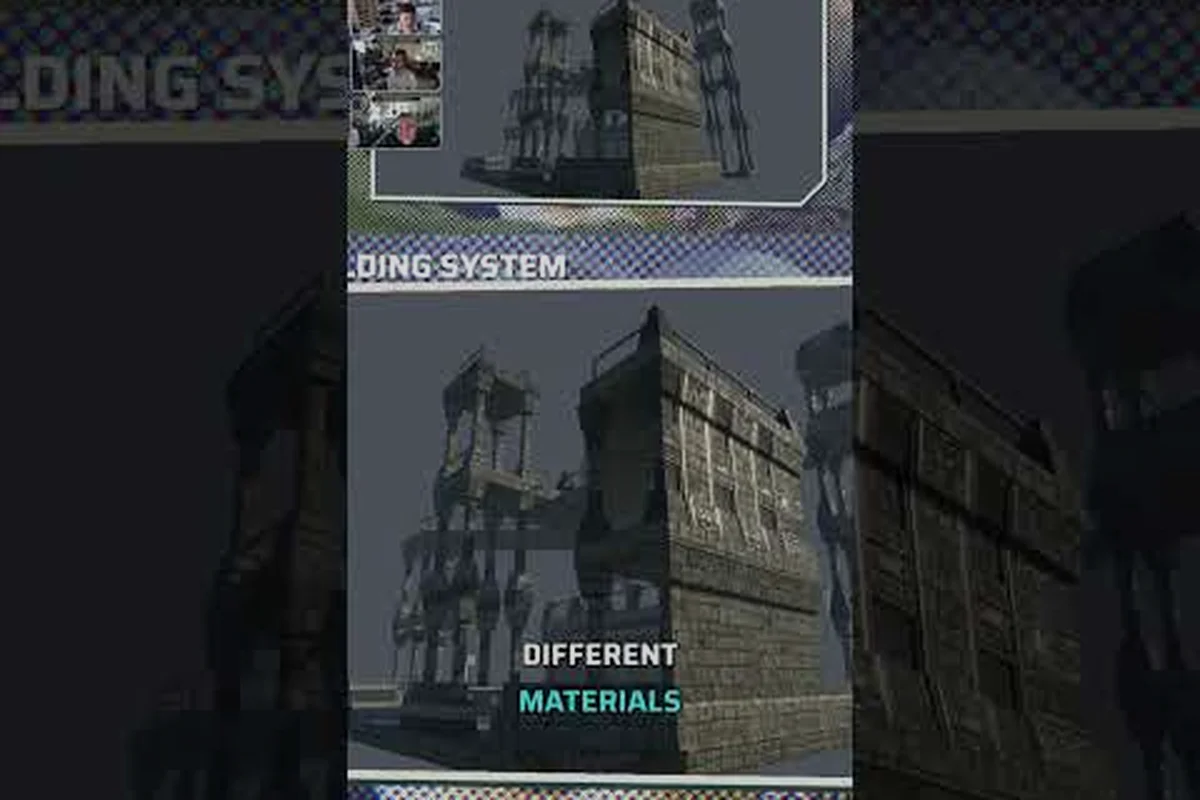
If you have been looking for a stars reach building guide that actually walks you through the entire journey from your first land claim to a thriving player city, this is the resource you need. The game gives you an unprecedented level of freedom to shape alien worlds, but that freedom comes with a learning curve that catches many new players off guard. Understanding how to build a house in Stars Reach is your first step toward carving out your own corner of a living galaxy, and the choices you make in those early hours will ripple through your entire playthrough. This guide breaks down every phase of construction, from the homesteading basics to the complex logistics of city building, so you can skip the trial-and-error phase and start creating something that actually lasts.
The Core Loop of the Stars Reach Building Guide
| Phase | Required Action | In-Game Term / Mechanic | Typical Time Cost |
|---|---|---|---|
| 1 | Claim a land parcel | Land Claim (homesteading) | 5–10 min |
| 2 | Place foundations | Foundation (roofless building) | 10–15 min |
| 3 | Build walls and roof | Roofless building / Blueprint | 20–30 min |
| 4 | Add storage and workshop | Storage Building / Workshop | 15–20 min |
| 5 | Set building permissions | Building Permissions (shared access) | 5 min |
| Comparison Point | Homesteading (Ground) | Space Building (Orbital) |
|---|---|---|
| Claim method | Land Claim on planet surface | Chunk of open space claim |
| Resource access | Planetary ores and flora | Asteroid / orbital materials |
| Default permissions | Owner-only, adjustable | Owner-only, adjustable |
| Expansion limit | Parcel-based | Volume-based |
| Typical use case | Player Housing, City Building | Build A City (orbital) |
The stars reach building guide starts with one fundamental truth: everything in this game revolves around claiming space and transforming it. According to the official Stars Reach website, the "easy elder game is homesteading," which means players can claim land and build almost anywhere, including out in open space. This is not a game where you are locked into predetermined plots or instanced housing zones. The entire shared universe is your canvas, and the building systems are designed to let you shape it collaboratively with other players.
When you first start, your priority should be understanding the three pillars of construction: land claiming, resource gathering, and blueprint placement. Land claiming is the foundation of everything else because it establishes your legal right to build in a specific area. Resource gathering feeds your construction projects, and blueprint placement determines how your structures actually look and function. The game's marketing emphasizes that players "work together to transform untamed worlds into thriving civilizations across a single shared universe," which means your building choices affect not just your own experience but the experience of everyone around you.
The building system in Stars Reach is intentionally deep, and the developers at Playable Worlds have stated that the game resists easy categorization because of how much autonomy is afforded to the player. That autonomy extends to every aspect of construction, from the materials you choose to the layout of your settlement. Before you place your first foundation, you should spend some time exploring different planets to understand the environmental constraints. Some worlds have extreme weather that will damage unprotected structures, while others offer abundant resources that make large-scale construction much more practical.
Player Housing Fundamentals
Player housing in Stars Reach is not just about having a place to log out. It is a fully functional space that serves as your operational base, storage hub, and crafting station. When you claim land and start building, you are creating a home that can be customized with furniture, decorations, and functional equipment. The game treats housing as a creative outlet, which means the only real limit is your imagination and your ability to gather the necessary materials.
The stars reach player housing system supports a wide range of architectural styles, from compact survival shelters to sprawling compounds that rival small towns. Your choice of location matters enormously. Building near resource nodes reduces travel time for gathering runs, while building near trading hubs gives you better access to the player economy. Many experienced players recommend scouting multiple planets before committing to a permanent base location, because the initial claim is only the beginning of a long-term investment.
One of the most important things to understand about player housing is that it is not static. You can expand, renovate, and completely redesign your structures as you progress. The game's building tools allow for precise placement and rotation of every component, which means you can iterate on your designs until they feel just right. Community reports suggest that players spend dozens of hours perfecting their homes, treating the building system as a sandbox for creative expression rather than a simple functional necessity.
How To Build A House Step by Step
Learning how to build a house in Stars Reach follows a clear progression that becomes second nature after your first few projects. The process starts with securing a land claim, which requires you to have the appropriate claim tool and enough in-game currency or resources to purchase the rights. Once your claim is active, you can begin placing foundations and walls to establish the basic footprint of your structure.
The next step in the stars reach how to build a house process is gathering construction materials. Different biomes and planets offer different resource types, so you may need to travel to multiple locations to get everything you need. Wood, stone, and metal are the most common building materials, but advanced structures require rarer components that only spawn in specific environments. The game's crafting system lets you refine raw resources into building components, and you will need to set up basic crafting stations early in your building journey.
After you have gathered sufficient materials, you can open your building menu and select from your available blueprints. The placement system shows you a ghost preview of your structure, allowing you to adjust its position and orientation before committing to the build. Once placed, the structure begins construction, and you can speed up the process by contributing additional materials or using construction tools. The final step is furnishing and outfitting your home with functional equipment, which transforms it from a simple shelter into a fully operational base.
Homesteading Guide for New Players
| Building Type | Primary Function | Shared Access (Friends) | Space Requirement |
|---|---|---|---|
| Storage Building | Item and resource storage | Yes | Small footprint |
| Workshop | Crafting and tool upgrades | Yes | Medium footprint |
| Shared Building | Multi-player housing / guild use | Yes | Large footprint |
| Roofless Building | Open-air foundation / blueprint testing | Optional | Variable |
The stars reach homesteading guide is essential reading for anyone who wants to establish a self-sufficient presence in the game. Homesteading is the game's term for the accessible, creative side of building that focuses on personal expression and sustainable living. Unlike large-scale city building, homesteading is designed to be approachable for solo players and small groups who want to create something meaningful without the logistical complexity of managing a full settlement.
According to the official game materials, homesteading is described as "a creative way to own a patch of an alien world," and this philosophy permeates every aspect of the system. Your homestead can be as simple or as elaborate as you want, and the game provides tools that make it easy to experiment with different designs. The key to successful homesteading is understanding the relationship between your structures and the environment around them. Building near water sources, fertile soil, or mineral deposits can give you significant advantages in resource production.
The homesteading system also includes a robust set of quality-of-life features that make daily operations smoother. Storage containers, crafting stations, and automated resource collectors can all be integrated into your homestead to create a self-sustaining loop. Many players use their homesteads as a base for larger projects, using the secure storage and crafting facilities to prepare for major construction efforts. The Stars Reach Steam page highlights the fantasy of charting untouched worlds, founding new settlements, and shaping land that answers to player actions, which underscores the dynamic nature of the homesteading experience.
Choosing Your Homestead Location
Location selection is the single most important decision you will make in your stars reach homesteading guide journey. The ideal homestead site balances resource proximity, defensive position, and aesthetic appeal. You want to be close enough to resource nodes that gathering trips are quick, but far enough from dangerous spawn points that you are not constantly fighting off threats. Community wisdom suggests that elevated positions offer better sightlines and natural defense, while valley locations often have richer soil and more abundant water.
The game's planetary variety means that no two homestead locations are exactly alike. Some planets have extreme temperature variations that require specialized building materials, while others have stable climates that allow for more experimental architecture. You should also consider the social dimension of your location choice. Building near other players creates opportunities for trade and collaboration, while building in isolated areas gives you more privacy and control over your environment.
Resource Management for Homesteaders
Effective resource management is the backbone of any successful homesteading operation. You need to balance your immediate construction needs against your long-term sustainability goals. Early in the game, you should focus on establishing a reliable supply of basic materials like wood and stone. These are the building blocks of most structures, and having a steady supply will let you expand your homestead without constant gathering interruptions.
As you progress, you will want to diversify your resource portfolio to include rare materials that enable advanced construction and crafting. The stars reach homesteading guide recommends setting up dedicated resource collection points near your homestead, using automated tools where available to reduce the time you spend on manual gathering. You should also establish a storage system that keeps your materials organized and accessible, because a cluttered inventory is one of the biggest productivity killers in the game.
City Building and Settlement Expansion
The transition from homestead to city building is one of the most exciting milestones in the game. When you decide to build a city, you are committing to a much larger scale of construction that involves multiple structures, coordinated planning, and often collaboration with other players. City building in Stars Reach is not just about placing buildings; it is about creating a functional community that supports the needs of its residents.
The stars reach city building system allows you to construct everything from residential districts to industrial complexes, and each building type serves a specific purpose. Residential buildings provide housing for players and NPCs, industrial buildings produce goods and materials, and civic buildings offer services that benefit the entire community. Planning your city layout requires careful consideration of traffic flow, resource distribution, and defensive positioning. A well-designed city is efficient and pleasant to navigate, while a poorly planned one can become a frustrating maze.
According to the official Stars Reach website, the game's marketing highlights "building settlements and transforming untamed worlds into thriving civilizations," and this is exactly what city building feels like in practice. You are not just constructing buildings; you are creating the infrastructure for a living, breathing community. The game's shared universe means that your city can become a hub for other players, attracting traders, crafters, and adventurers who want to be part of something bigger than themselves.
Planning Your Settlement Layout
The stars reach settlement guide emphasizes that planning is everything when it comes to city building. Before you place your first foundation, you should have a clear vision of what your settlement will look like when it is complete. This includes deciding on the overall aesthetic, the functional zones, and the infrastructure that will connect everything together. A good settlement layout makes it easy for residents to access the services they need while maintaining a pleasant visual environment.
One of the most effective approaches to settlement planning is to divide your territory into functional zones. Residential areas should be separated from industrial zones to reduce noise and pollution, while commercial areas should be centrally located for easy access. You should also plan your transportation network, whether that means wide streets for ground vehicles or landing pads for spacecraft. The stars reach build a city process benefits enormously from this kind of forethought, because retrofitting a poorly planned city is much more difficult than building it right the first time.
Infrastructure and Shared Buildings
Infrastructure is the backbone of any successful city, and Stars Reach provides a robust set of shared buildings that serve the entire community. These include storage facilities, crafting halls, and gathering points that can be used by any player with the appropriate permissions. The stars reach settlement guide recommends prioritizing infrastructure over decorative buildings, because functional structures provide tangible benefits that make the city more attractive to potential residents.
Shared buildings require careful permission management to ensure that they are used appropriately. The game's building permissions system lets you control who can access, modify, or dismantle your structures, which is essential for maintaining order in a busy city. You should establish clear rules for your settlement and communicate them to residents, because miscommunication about permissions is one of the most common sources of conflict in player-built cities. For a deeper look at how permissions and claims work, check out the land claim and building tutorial which covers these mechanics in detail.
Advanced Building Strategies and Optimization
Once you have mastered the basics, you can start exploring advanced building strategies that push the boundaries of what is possible in the game. These techniques go beyond simple construction and delve into optimization, automation, and creative problem-solving. The stars reach building guide has a whole ecosystem of advanced techniques that experienced players use to create truly impressive structures.
One of the most powerful advanced strategies is vertical construction. Building upward lets you maximize your usable space without expanding your footprint, which is especially valuable in areas where land is limited or expensive. Multi-story structures require careful planning to ensure structural integrity, but the payoff is worth the effort. You can create towers that serve as both living quarters and observation posts, or industrial complexes that stack multiple production facilities in a compact footprint.
Another advanced technique is the use of modular design patterns. By creating standardized building components that can be assembled in different configurations, you can dramatically speed up your construction process. This approach is particularly valuable for city building, where you may need to construct many similar structures quickly. The stars reach city building community has developed a rich vocabulary of modular designs that can be adapted to different situations, and learning these patterns will save you countless hours of construction time.
Optimizing Construction Efficiency
Construction efficiency is about more than just placing buildings quickly. It is about creating systems that reduce the time and resources required for every project. One of the most effective ways to optimize your construction is to establish a dedicated production line for building materials. Instead of gathering resources manually, you can set up automated collectors that feed into crafting stations, which produce building components continuously. This creates a passive income of construction materials that lets you focus your active time on design and placement.
The stars reach settlement guide also emphasizes the importance of tool upgrades. Better tools allow you to gather resources faster, craft components more efficiently, and place structures with greater precision. Investing in tool upgrades early in your building career pays dividends throughout the entire game, because every construction project becomes faster and less resource-intensive. You should also consider the placement of your crafting stations relative to your construction sites, because reducing travel time between them can significantly speed up large projects.
Defensive Considerations for Your Settlement
Defense is an often-overlooked aspect of building that becomes increasingly important as your settlement grows. Larger settlements attract more attention, and not all of that attention is friendly. The stars reach build a city process should include defensive planning from the very beginning, because retrofitting defenses onto an existing city is much more difficult than designing them in from the start. For a comprehensive look at defensive building strategies, the settlement defense guide offers detailed recommendations.
Your defensive strategy should account for both environmental threats and player threats. Environmental threats include extreme weather, hostile wildlife, and natural disasters, while player threats include raids and territorial disputes. Walls and barriers are the first line of defense, but you should also consider defensive turrets, traps, and secure storage for your most valuable resources. The key is to create layers of defense that slow down attackers and give you time to respond.
Building With Friends and Communities
Building with friends transforms the stars reach building guide experience from a solo endeavor into a collaborative project. The game's building system supports cooperative construction, allowing multiple players to work on the same structure simultaneously. This dramatically speeds up large projects and opens up creative possibilities that are simply not available to solo builders. When you build with friends, you can divide tasks based on individual strengths, with some players focusing on resource gathering while others handle design and construction.
The stars reach player housing system also supports shared housing, where multiple players can contribute to and use the same structures. This is ideal for groups who want to pool their resources and create something impressive together. Shared housing requires careful permission management, but the payoff is a home that reflects the combined creativity of your entire group. The shared buildings guide provides detailed information on how to set up and manage cooperative construction projects.
Frequently Asked Questions
What is the fastest way to start building in Stars Reach?
The fastest way to start building is to complete the tutorial quests that introduce you to the claim system, then immediately claim a small plot of land near your starting area. Gather basic materials like wood and stone, craft a foundation and walls, and place your first structure. This gives you a functional base within the first hour of play.
Can I move my house after building it?
Yes, you can dismantle your structures and rebuild them elsewhere, but you will lose some of the materials in the process. The game does not offer a full refund on dismantled structures, so you should be confident in your location choice before committing to a permanent build. Moving a large settlement is a significant undertaking that requires careful planning.
How do I unlock advanced building blueprints?
Advanced blueprints are unlocked through a combination of leveling your building skill, completing specific quests, and discovering blueprint fragments throughout the galaxy. Some rare blueprints are only available from special vendors or as rewards for difficult content. You can also trade for blueprints with other players, making the player economy an important source of advanced building options.
What happens if someone builds on my claimed land?
Your land claim gives you exclusive building rights within its boundaries, so other players cannot build on your land without your permission. However, you can grant building permissions to other players if you want to collaborate on construction projects. The permission system gives you full control over who can modify your structures and territory.
Is city building viable for solo players?
City building is possible for solo players, but it is significantly slower and more resource-intensive than building with a group. Solo players should focus on creating compact, efficient settlements that maximize the value of every structure. As you progress and unlock automation tools, solo city building becomes more practical, but it will always be a long-term project.